Learn. Do. Lead.
CLEAN El Salvador combines environmental education with practical participation so children can better understand the impact of waste, develop responsible habits, and see themselves as active participants in creating cleaner communities.
Learn. Do. Lead. is more than a slogan — it is the structure of everything we run in a school.
Our program is designed around the belief that children learn most effectively when information is connected to experience. Rather than treating environmental education as a subject that exists only in the classroom, we connect the lesson to the places children use every day and give them opportunities to apply what they have learned.
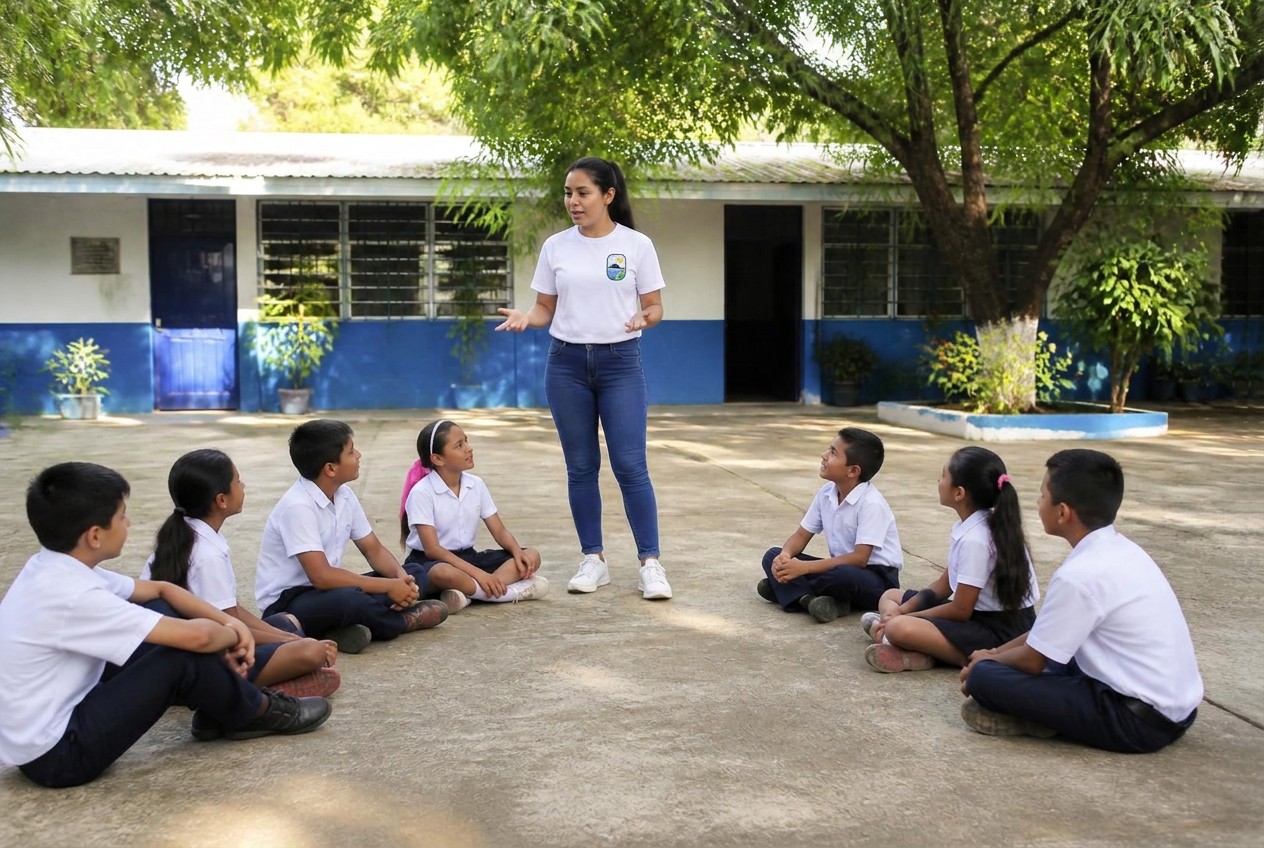
A CLEAN visit is not a one-off assembly. It begins with a lesson built for the grade level in front of us, moves outdoors into the schoolyard, street or shoreline the students already know, and finishes with the students themselves explaining what they did and why it mattered — to younger grades, to their teachers and to their families.
Everything is designed to fit inside a normal school day, to be run again without us, and to leave something behind: a habit, a recycling point, and a group of students who now expect their school to be clean.
A simple model with a long-term purpose.
The CLEAN El Salvador program follows three stages: Learn, Do and Lead.
Each stage has a different purpose, but all three work together. The Learn stage gives students the knowledge and context they need to understand environmental responsibility. The Do stage gives them a chance to apply that knowledge through a practical activity. The Lead stage encourages them to continue those behaviours and influence the people around them.
The program can be adapted by age, school, community, location and available resources. A younger classroom may focus on basic concepts such as litter, garbage disposal and keeping shared spaces clean. Older students may explore recycling, waste reduction, plastics, environmental impact, community responsibility and youth leadership in greater detail.
The format can change, but the underlying model remains consistent.
Learn
Understanding the impact of everyday choices.
CLEAN El Salvador introduces environmental topics in a way that is practical, age-appropriate and connected to students' daily lives. Rather than beginning with broad or complicated environmental issues, we start with things children already recognize: litter in a schoolyard, plastic left on a beach, waste in a neighbourhood, overflowing garbage bins, or the different types of materials found in a recycling station.
From there, students begin to understand the larger connections. They learn where waste goes, why certain materials remain in the environment for long periods of time, how litter affects public spaces and wildlife, why reducing waste matters, and how individual behaviour contributes to the condition of a community.
Topics can include:
- Responsible waste disposal
- Recycling
- Plastic pollution
- Reducing unnecessary waste
- Caring for public spaces
- Environmental stewardship
- Personal responsibility
- Community pride
The purpose is not to turn children into environmental experts. It is to help them understand enough to make better choices.
Do
Turning information into experience.
A lesson becomes more meaningful when students can see the result of their own effort. That is why hands-on activities are an important part of the CLEAN El Salvador model.
Depending on the school and community, activities may include:
- Schoolyard cleanups
- Beach or park cleanups
- Recycling exercises
- Waste sorting
- Classroom challenges
- Community beautification projects
- Awareness activities
- Student-led environmental initiatives
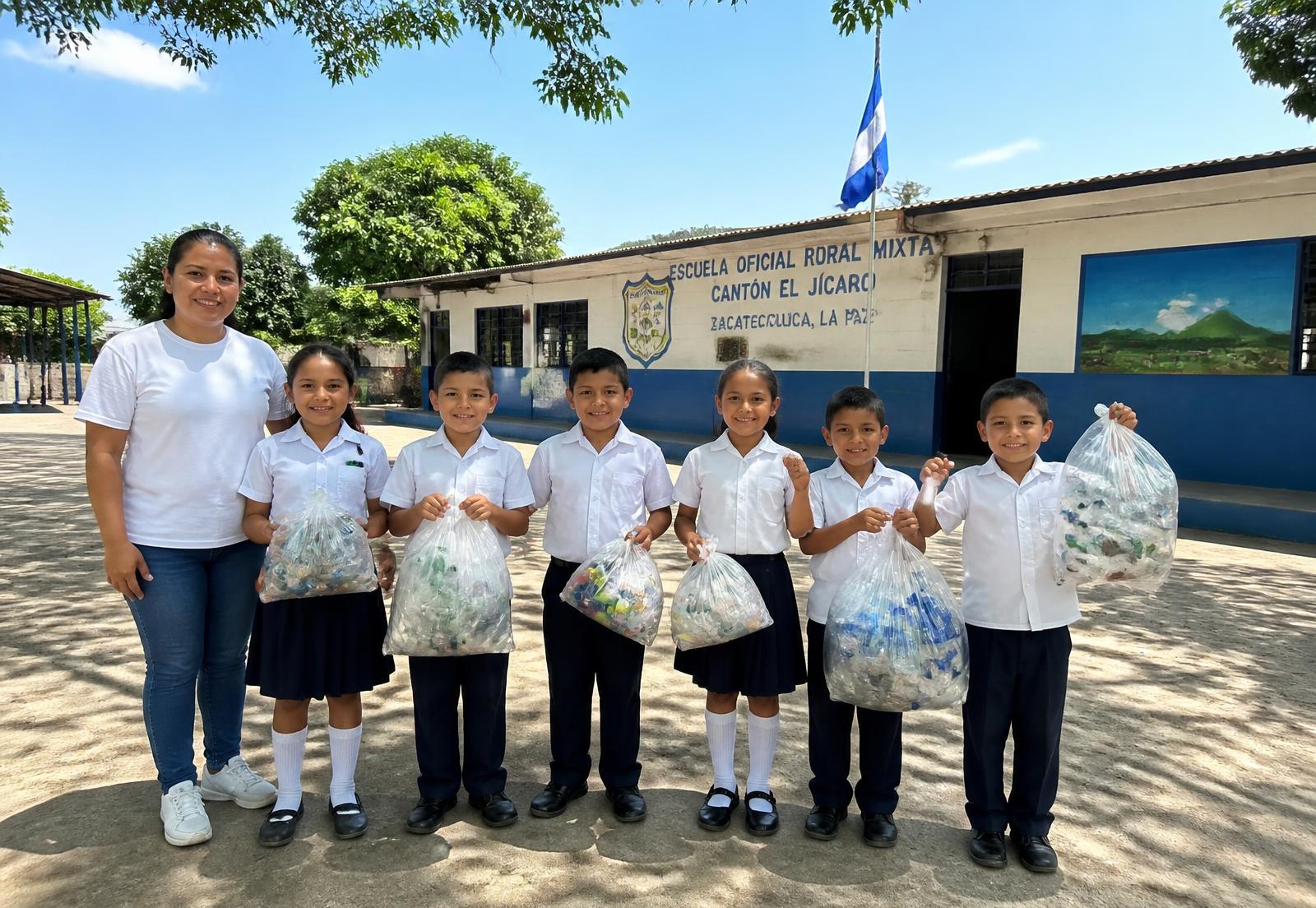
Each activity should connect directly to the lesson that came before it. If students learn about plastic waste, the activity might focus on identifying and collecting different types of plastic. If they learn about public spaces, they may participate in improving an area around their school or neighbourhood. If they learn about recycling, they may work through a practical sorting exercise.
This approach helps children understand that environmental responsibility is not abstract. It is something they can act on directly.
Lead
Helping children carry the lesson into everyday life.
CLEAN El Salvador does not define leadership only as organizing an event or speaking in front of a group. For children, leadership can begin with much smaller actions.
It can mean choosing not to litter. It can mean picking something up when they see it on the ground. It can mean helping a family member recycle correctly or reminding a friend to use a garbage bin.
Those small actions are important because they demonstrate that environmental responsibility is becoming part of normal behaviour.
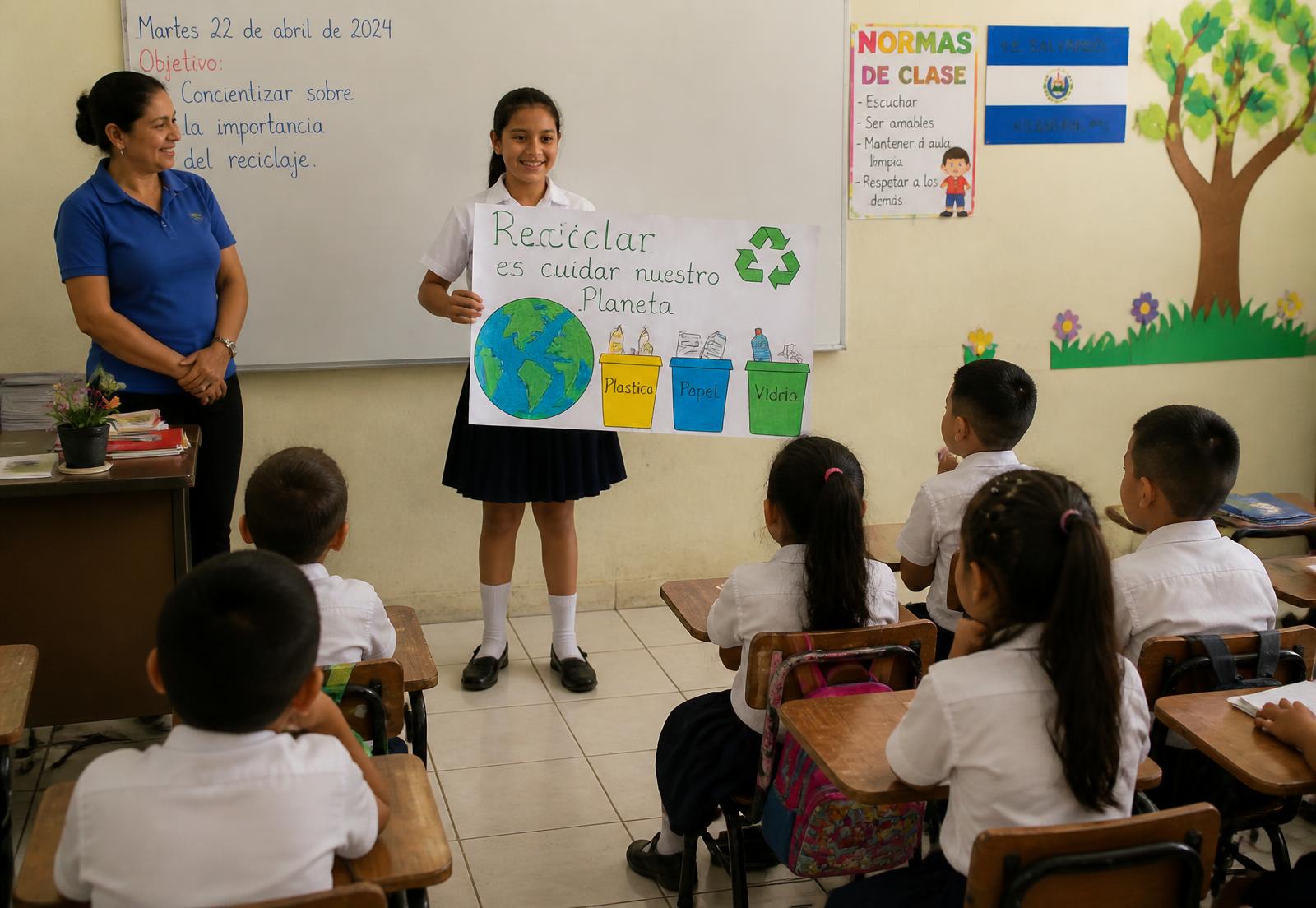
The Lead stage also encourages students to share what they have learned. That can happen through conversations at home, classroom presentations, school activities, challenges or simple personal commitments.
The objective is to help each child understand that they do not need to wait for someone else to create change. Their own behaviour is already part of it.
The lesson should evolve as children grow.
For younger children, the program may focus on simple ideas such as keeping classrooms and playgrounds clean, putting garbage in the proper place, recognizing recycling symbols, and understanding that public spaces belong to everyone.
As students get older, the content can become more detailed. Topics can expand into waste reduction, plastics, recycling systems, environmental impact, community leadership, responsible consumption and larger community projects.
This creates the potential for students to experience CLEAN El Salvador more than once during their school years. Rather than introducing environmental responsibility as a one-time lesson, the program can grow with the student.
Designed to support educators and fit within the school environment.
Schools are central to how CLEAN El Salvador can create long-term impact. Our goal is to develop programming that is useful to teachers, engaging for students and realistic for schools to implement.
Depending on the school, programming could include:
- Classroom presentations
- School-wide environmental days
- Short workshops
- Cleanup events
- Student challenges
- Recycling initiatives
- Take-home activities
- Larger community projects
Whenever possible, the program should also provide teachers with simple materials they can continue using after the initial activity.
The goal is to avoid creating a program that arrives for one day and disappears. We want schools to have practical ways to continue reinforcing the same ideas throughout the year.
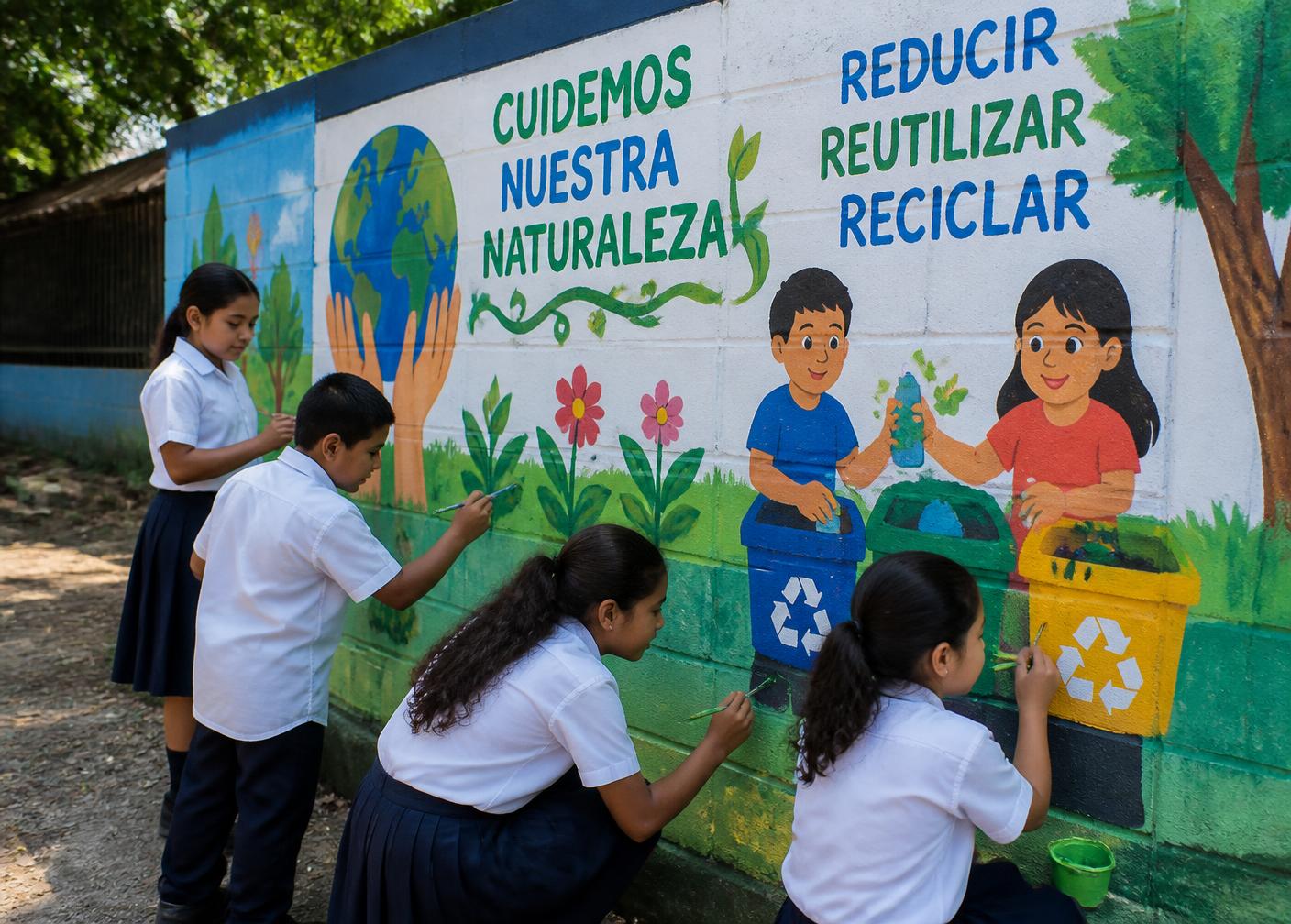
Children can help carry environmental education beyond the school.
One of the most valuable opportunities in youth programming is the connection between school and home. CLEAN El Salvador can include simple activities that encourage students to talk with their families about what they have learned and apply those lessons in everyday life.
- A family recycling challenge
- Identifying how waste is handled at home
- Reducing single-use plastics for a week
- Cleaning a shared space together
- Teaching a family member one thing they learned
These activities do not need to be complicated. Their purpose is to extend the reach of the program and help parents and families become part of the conversation.
Connecting environmental education to real places.
As CLEAN El Salvador grows, we want the program to extend beyond school grounds and into the communities surrounding them.
A cleanup in a schoolyard teaches responsibility for the school environment. A project in a neighbourhood or park expands that lesson to the community. A beach cleanup helps connect environmental behaviour to El Salvador's natural spaces and tourism economy.
Working with municipalities, local organizations, businesses and community leaders can make these experiences possible and help ensure activities are connected to local needs.
This approach also helps children understand that environmental responsibility exists at different levels. It applies to the classroom, the home, the neighbourhood, the community and the country as a whole.
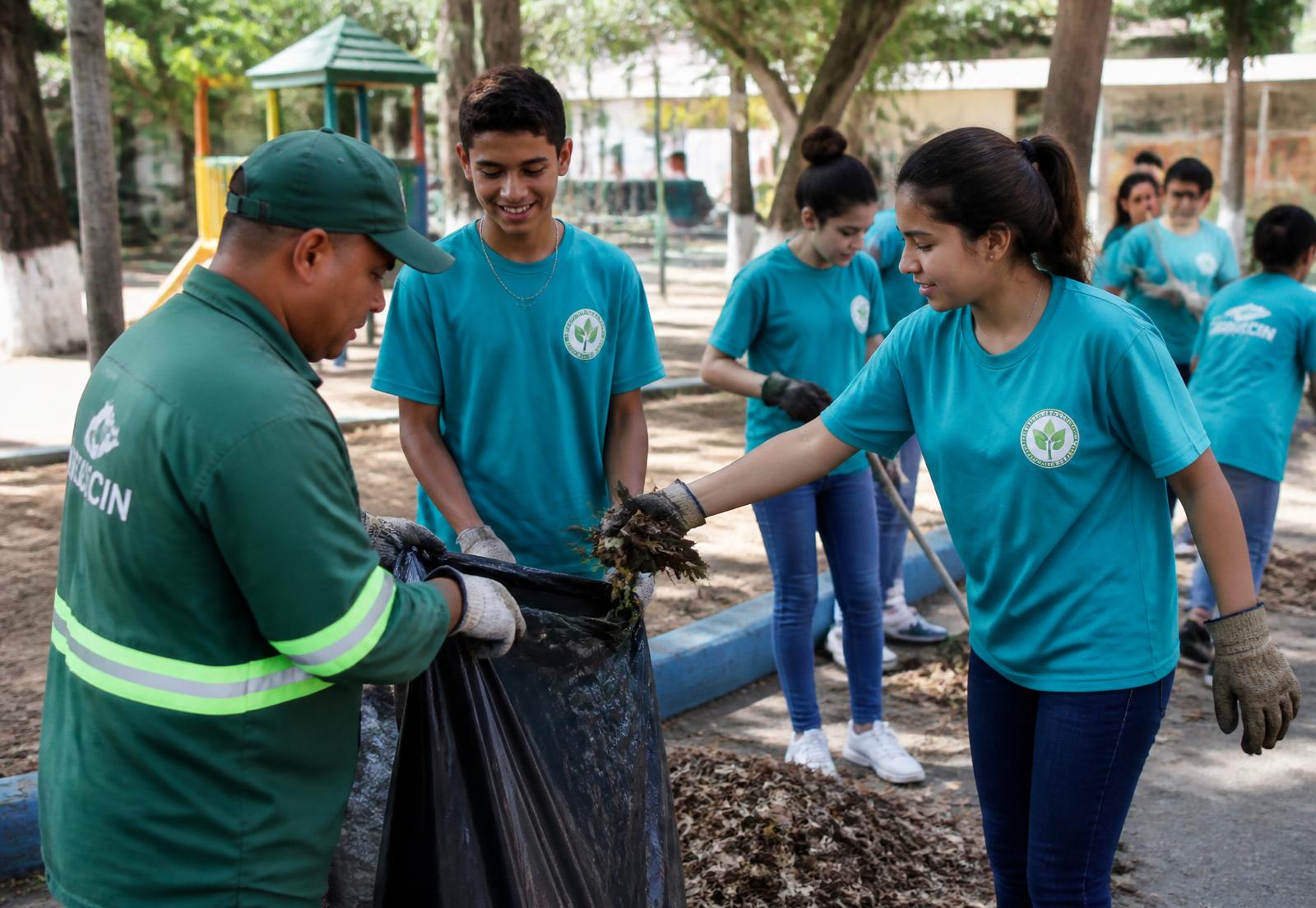
The CLEAN School model
Over time, CLEAN El Salvador has the opportunity to move beyond individual programs and develop an ongoing CLEAN School model.
A participating school could integrate environmental learning and action throughout the year through student activities, recycling initiatives, school challenges, cleanup projects, family engagement, teacher resources and student leadership opportunities.
Schools could also establish student CLEAN ambassadors who help encourage participation and reinforce positive habits among their classmates.
The objective would be to create a recognizable program that schools can build into their culture and that students can participate in over several years. This is one of the areas where CLEAN El Salvador can create deeper, more measurable long-term impact.
Measuring progress
As CLEAN El Salvador develops, measuring impact will be important for schools, communities, sponsors and the organization itself. Initial measurements can include:
- Students reached
- Participating schools
- Communities involved
- Volunteer hours
- Cleanup activities
- Recycling initiatives
- Waste collected
- Repeat participation and teacher feedback
Over time, we also want to look beyond activity-based measurements and explore ways to understand whether student knowledge and behaviour are changing — through simple pre- and post-program questions, school feedback, repeat participation, teacher observations or student commitments.
Collecting waste is valuable, but reducing the amount of waste that needs to be collected in the future is the larger objective.
Expanding the program will require collaboration.
CLEAN El Salvador is designed to work alongside schools, businesses, municipalities, community organizations, environmental groups and volunteers.
Different partners can contribute in different ways. Businesses may provide funding, supplies, employee volunteers, transportation or sponsorship. Municipalities can help identify local priorities and coordinate community activities. Schools provide access to students and educators. Environmental organizations can contribute expertise, resources and existing knowledge.
Strong partnerships will allow CLEAN El Salvador to reach more children while keeping the focus on practical, measurable programming. Every partnership should ultimately support the same goal: helping young people build environmental habits that can last.
Bring CLEAN El Salvador to your school.
Schools interested in participating can connect with CLEAN El Salvador to discuss the age of students, number of participants, school location, available time, and the environmental topics that would be most relevant.
A program does not need to begin on a large scale.
It can begin with one classroom, one grade, one school or one activity and develop from there. What matters is creating a meaningful experience that children can understand, participate in and carry forward.
The purpose of CLEAN El Salvador is not simply to teach children about the environment. It is to help environmental responsibility become part of how they think and behave. By combining education, hands-on participation and youth leadership, we can begin building habits that extend beyond a single classroom, school or cleanup event.
That is the foundation of Learn. Do. Lead.