Cleaner communities start with the next generation.
CLEAN El Salvador is a school-led environmental initiative. Students learn how waste affects their country, take action in their own schools, streets and villages, and lead the change at home.
We are building habits that can last a lifetime.
Cleaner streets, beaches, parks and communities do not begin with one cleanup. They begin with people who believe taking care of their surroundings is simply part of everyday life.
CLEAN El Salvador works with children at the age when those habits are still being formed. Through education, participation and leadership, young Salvadorans come to understand the role they can play in a cleaner country — and then they play it.
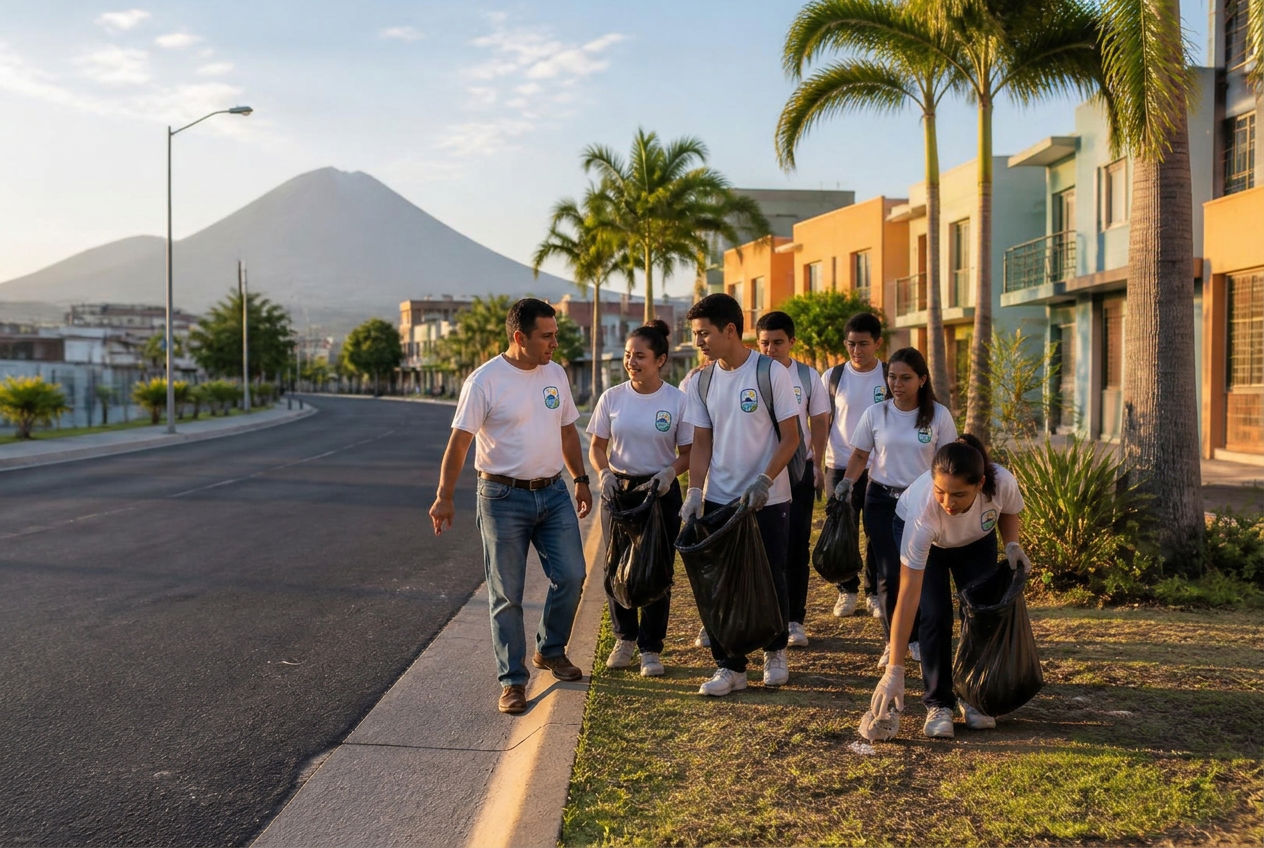
The programming is deliberately practical. Nothing we teach stays theoretical for long: a lesson on plastics is followed by a cleanup of the block outside the school gate, and a lesson on recycling is followed by sorting what was collected.
What children learn today can influence how families and communities behave tomorrow.
Learn. Do. Lead.
Teach children why environmental responsibility matters. Give them real opportunities to act on it. Encourage them to become the example for everyone around them.
Learn
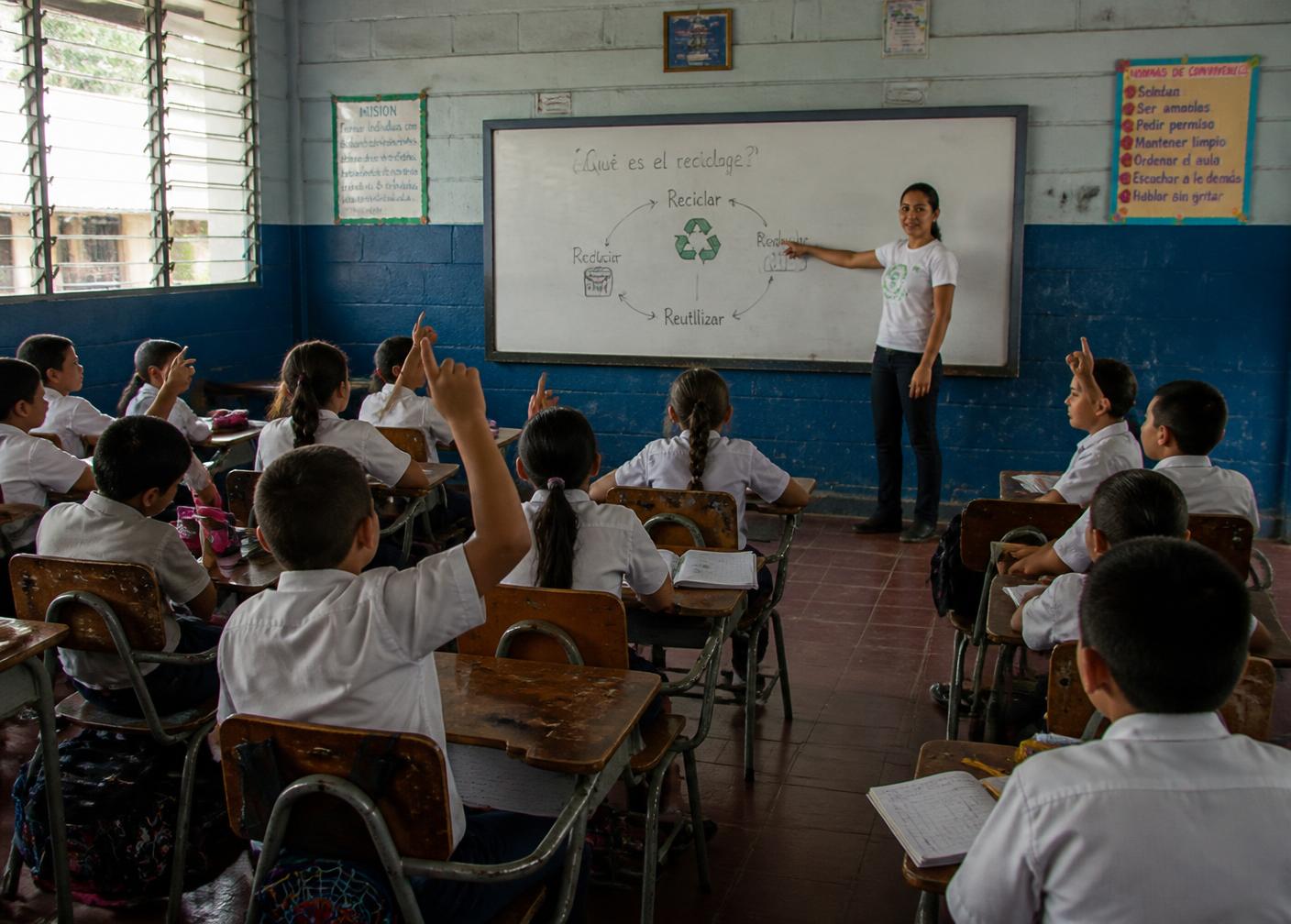
Understand the impact.
Students learn what actually happens to waste after it leaves their hands — where it goes, what it costs their community, and how everyday choices shape the streets, rivers and beaches around them.
Do
Turn knowledge into action.
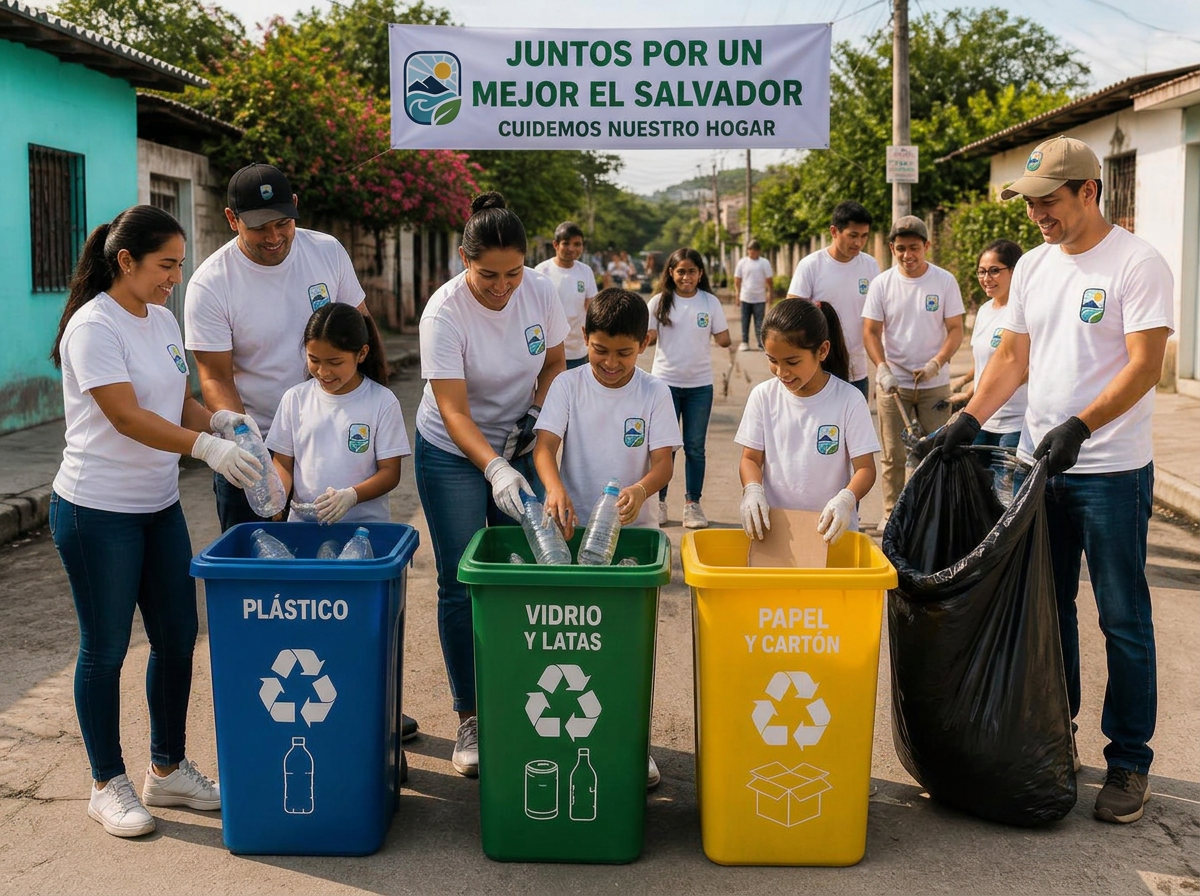
Classes run cleanups in their own school, street and neighbourhood, sort and recycle what they collect, and take on projects their community can see and use.
Lead
Become part of the change.
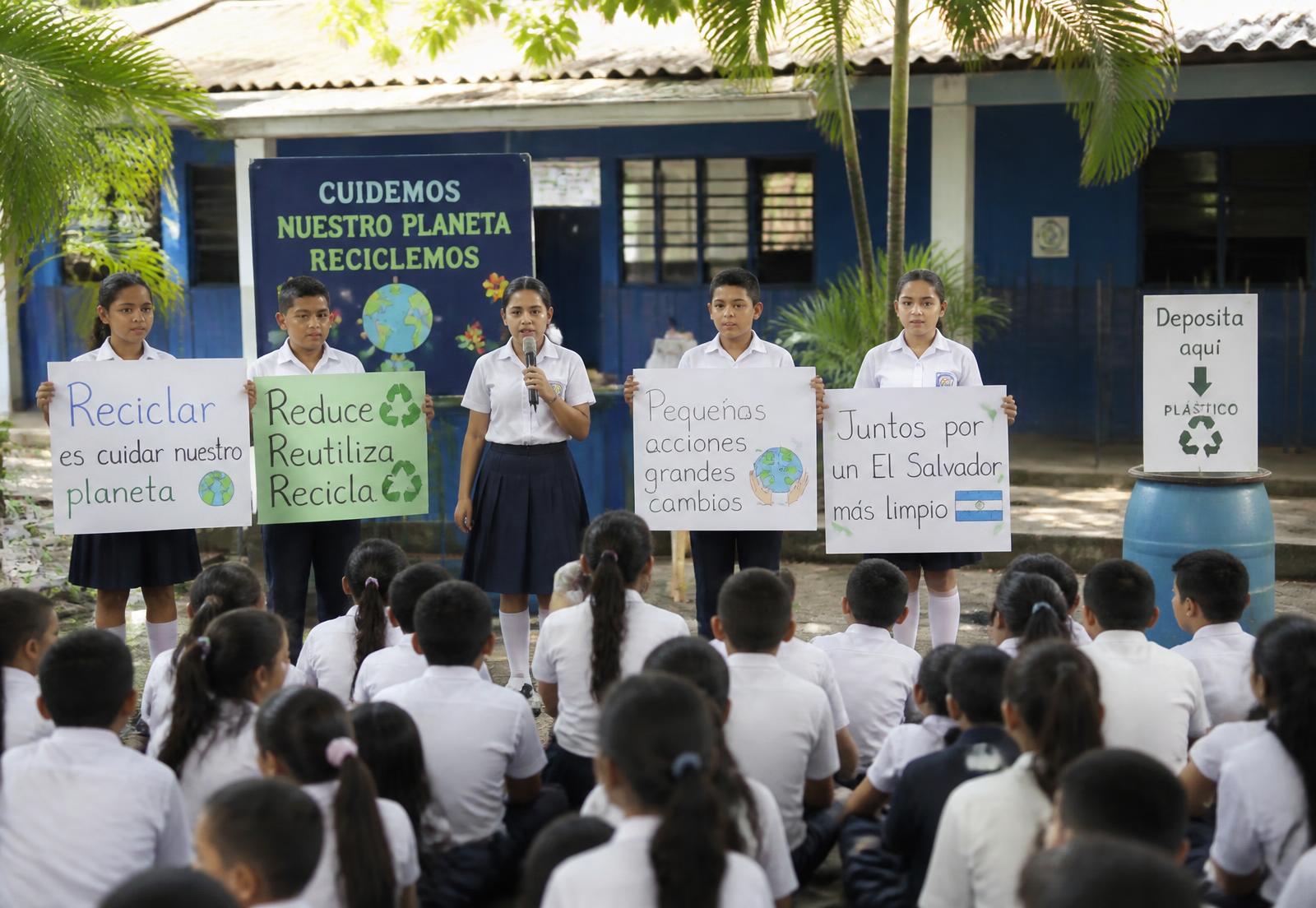
Students bring it home. They run assemblies, speak to younger grades, change habits in their own families, and set an example other people follow.
The students run it. We support them.
CLEAN is not a team of adults arriving to clean up after a community. It is a program that puts students in front: planning the cleanup, making the signs, running the assembly, explaining to a neighbour why the corner lot matters.
Teachers get materials that fit into the school day. Directors get a program that reflects well on the school. Students get something rare — responsibility, and the chance to be seen doing something that matters.
- A child who learns not to litter can remind a parent.
- A classroom that learns about recycling can influence a school.
- A school can influence a neighbourhood.
- And thousands of young people can help influence a country.
Not just the coastline.
Beach cleanups are visible and important, but almost none of that waste starts on the sand. It starts inland — in city streets, markets, school yards, roadside ditches and village lanes, then travels down drainage channels and rivers to the sea.
That is why CLEAN El Salvador is designed to run in the places where waste actually begins, alongside the coastal work everyone already sees.
- Public and private schools, from primary to secondary grades
- City blocks, markets and parks in San Salvador and other urban centres
- Small towns and rural villages with limited collection services
- Rivers, drainage channels and roadsides where waste starts its journey
- Beaches and coastal communities where the consequences arrive
- Homes and families, through the students themselves
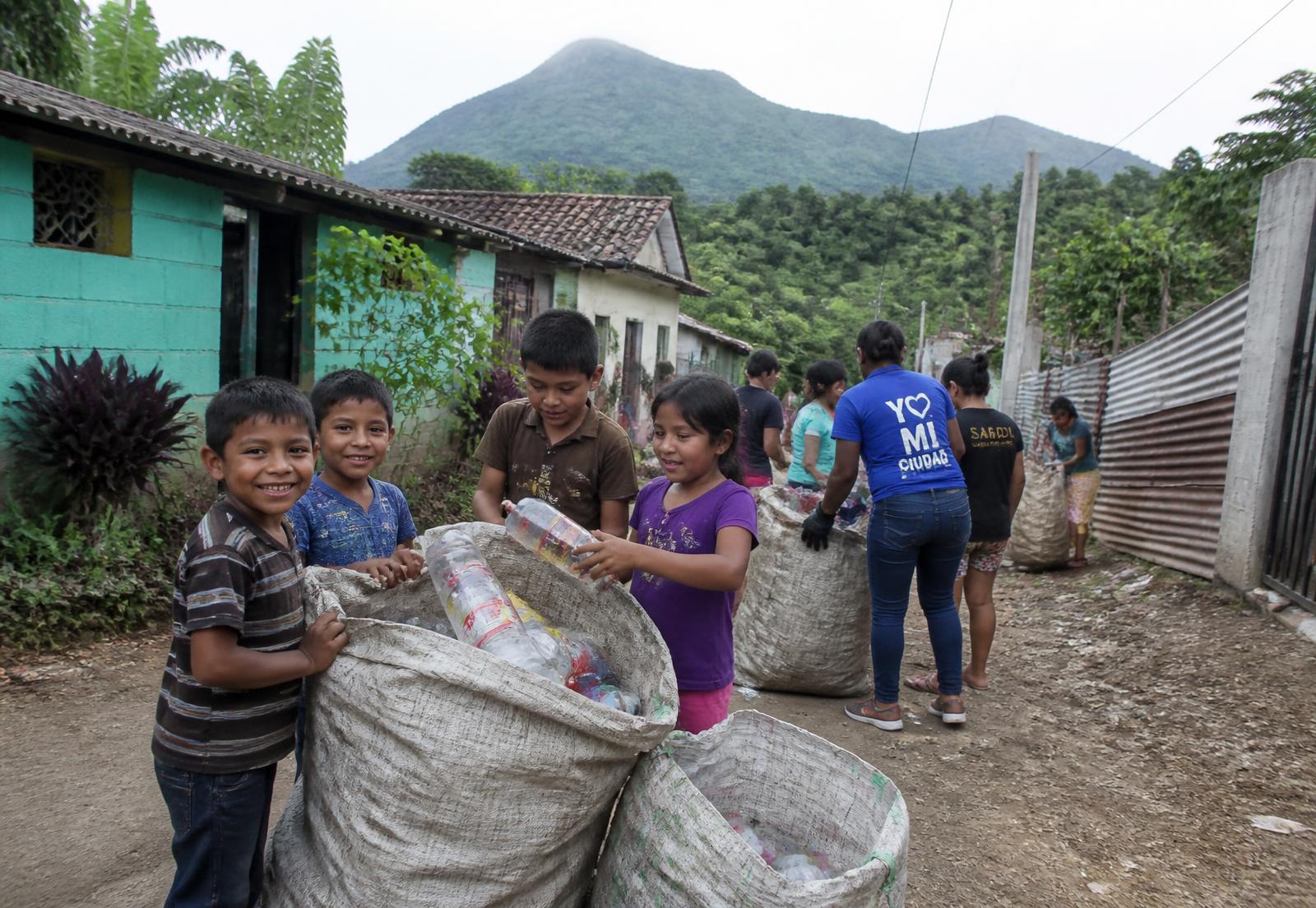
From the classroom to the community.
CLEAN El Salvador is designed to move beyond the classroom.
Our goal is to connect environmental learning with meaningful action in the real places children know — their schools, streets, parks, beaches, neighbourhoods and communities.
Every activity is an opportunity to turn environmental responsibility into something visible, practical and personal. A cleaned street the whole neighbourhood walks down. A recycling station the school actually uses. A habit that follows a child home.
Education creates awareness. Action creates habits. Leadership creates change.
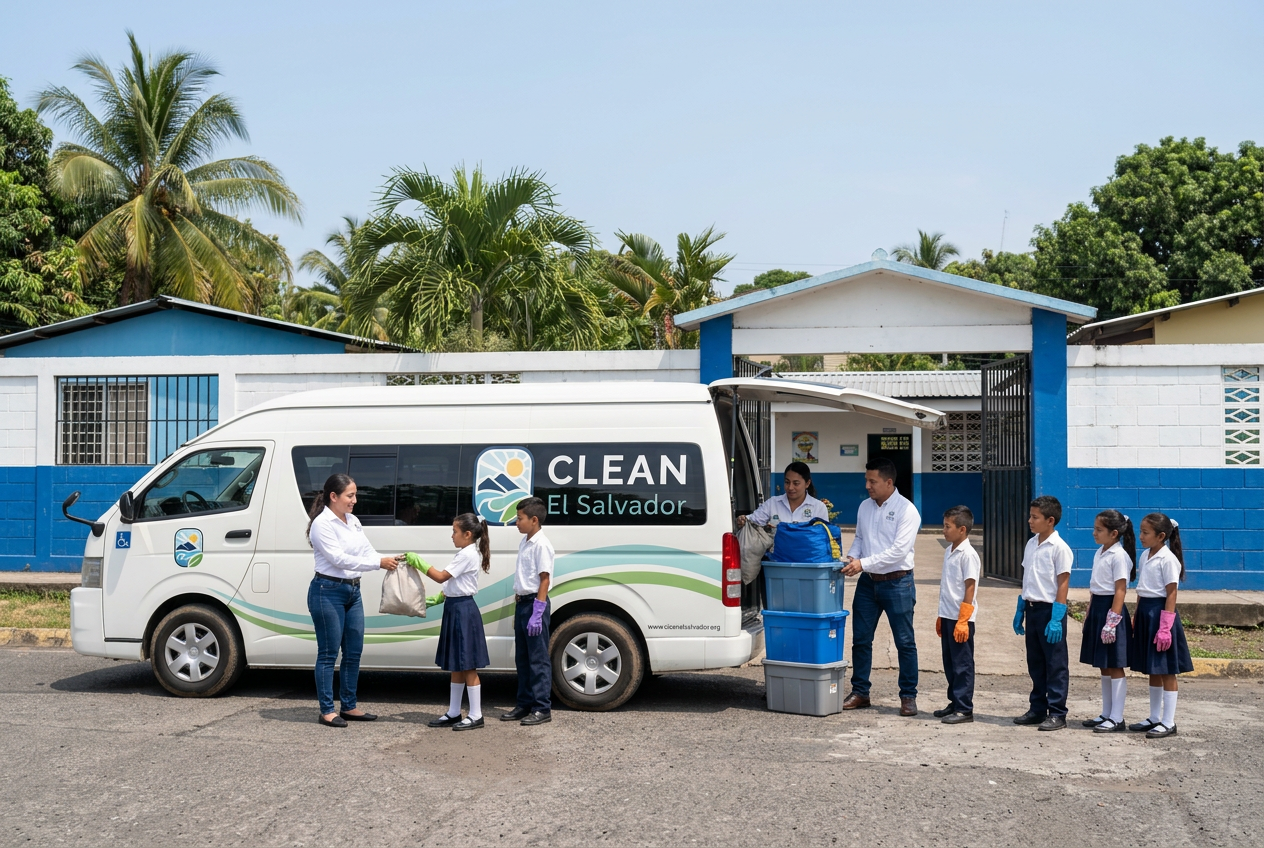
We come to the school.
The CLEAN El Salvador van brings everything a school needs for a cleanup day — bins, bags, gloves, signage and the team who runs the session with the students.
Arriving at the gate matters. It tells students, teachers and families that the program is real, that it shows up, and that it belongs to their school as much as anyone else's.