A cleaner country begins with the next generation.
CLEAN El Salvador is a youth-first community initiative focused on environmental education, responsible waste habits, recycling, litter prevention, community participation and pride of place.
Our purpose is to help children understand the role they can play in caring for the communities around them and to give them practical opportunities to put that understanding into action. We believe that long-term environmental change is more likely to happen when positive habits are introduced early and reinforced consistently through education, participation and example.
Our goal is not simply to organize cleanup events. It is to help contribute to a broader cultural shift in how future generations of Salvadorans think about waste, public spaces, personal responsibility and the environment.
El Salvador is changing, and environmental responsibility needs to grow with it.
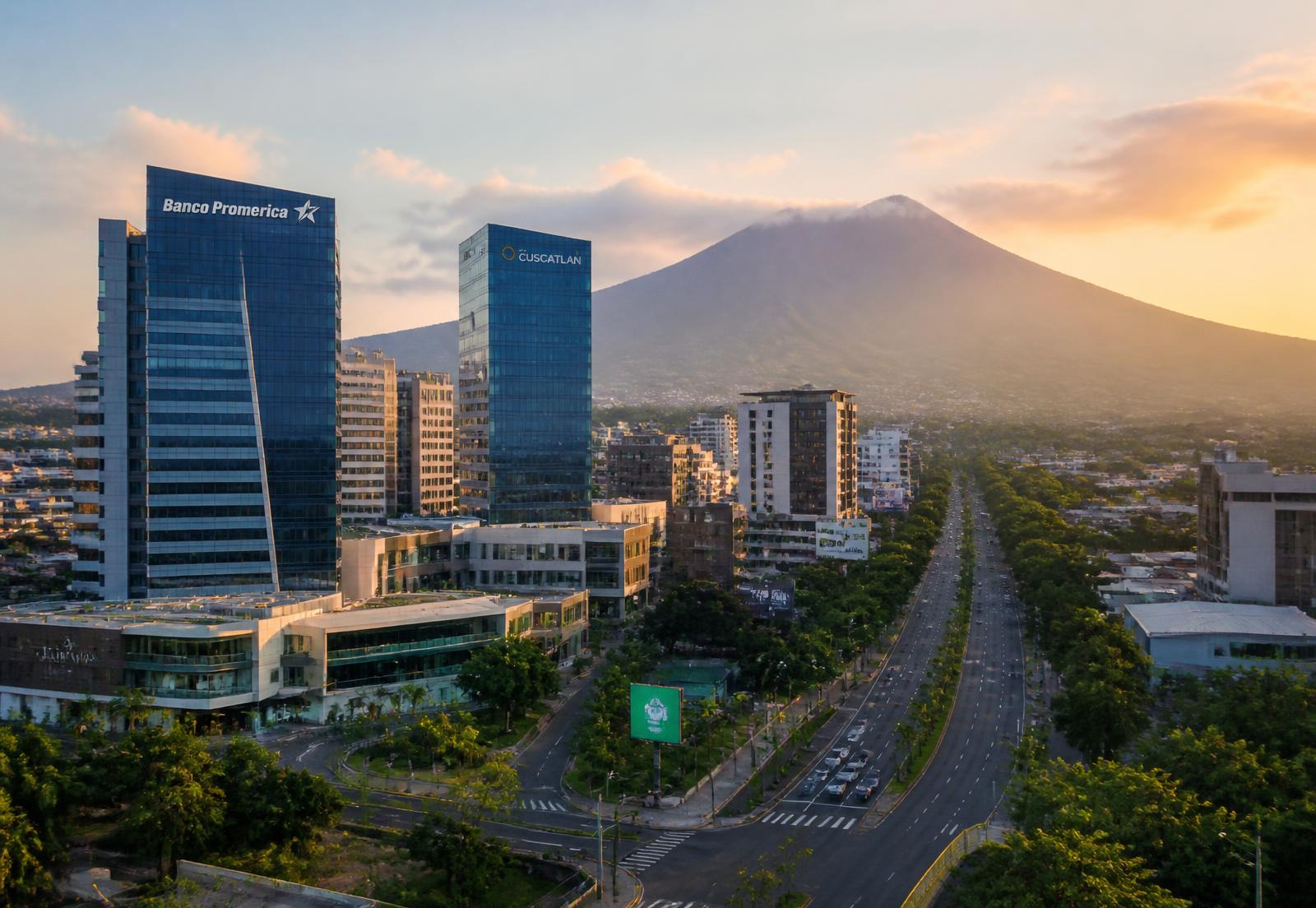
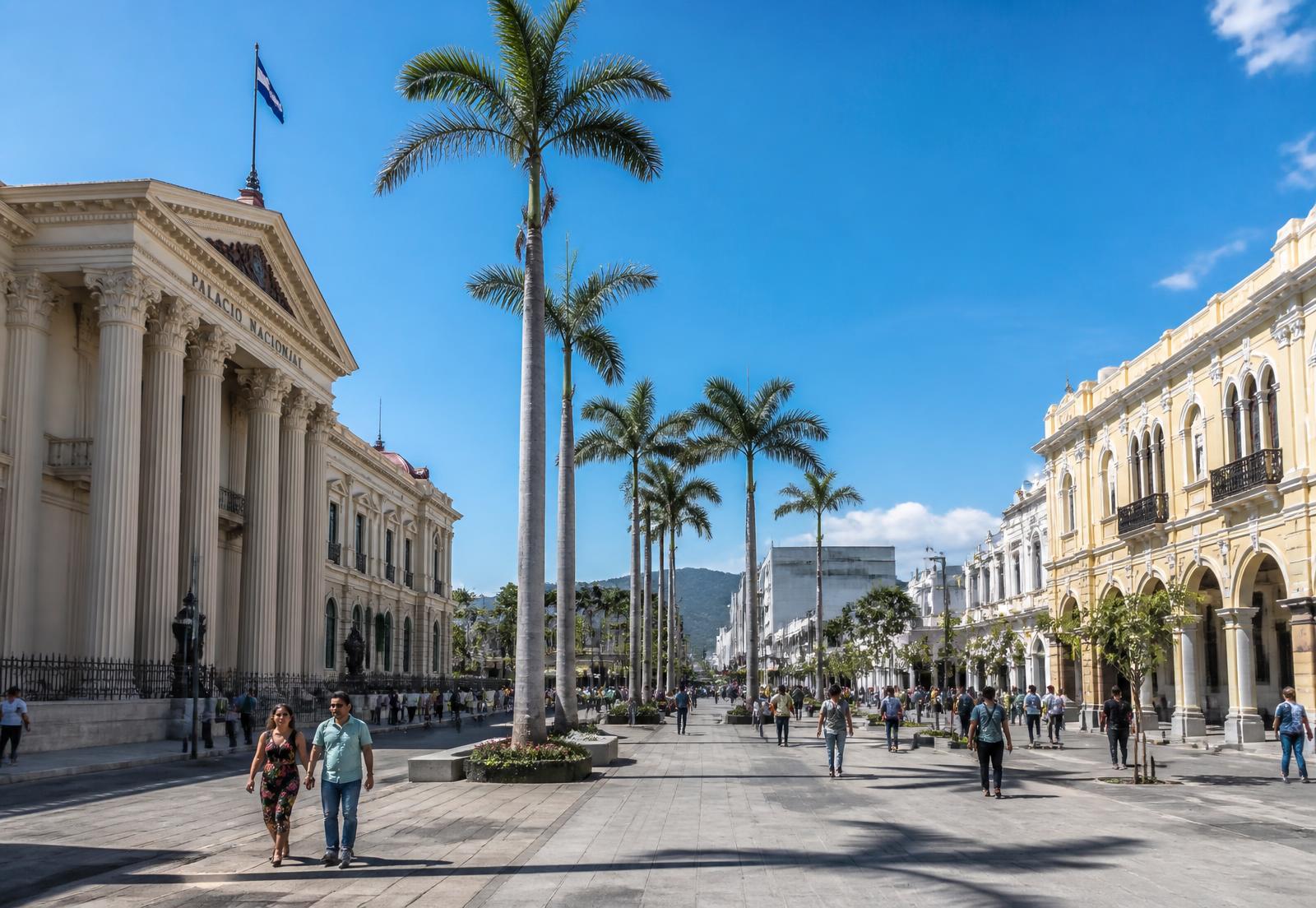
El Salvador is experiencing a period of significant growth and transformation. Tourism is expanding, infrastructure is improving, communities are developing, and the country is receiving greater international attention than it has in many years.
That progress creates tremendous opportunity, but it also brings responsibility.
As more people use beaches, parks, streets, public spaces and growing urban areas, the way waste is managed and the way individuals treat shared environments becomes increasingly important. Cleaner communities cannot depend solely on municipal services, government programs or occasional cleanup campaigns. They also depend on the everyday choices people make.
CLEAN El Salvador was created around the idea that one of the most effective places to begin changing those choices is with children.
If young people grow up understanding why littering matters, how waste affects the environment, why recycling is important and why shared spaces deserve to be respected, those lessons can become part of their normal behaviour rather than something they have to relearn later in life.
That is the long-term opportunity we see.
Lasting change begins while habits are still being formed.
Much of human behaviour is learned early. The way people treat public spaces, dispose of waste, respond to litter and think about environmental responsibility often becomes habitual over time.
Children are still developing those habits. That makes early education especially important.
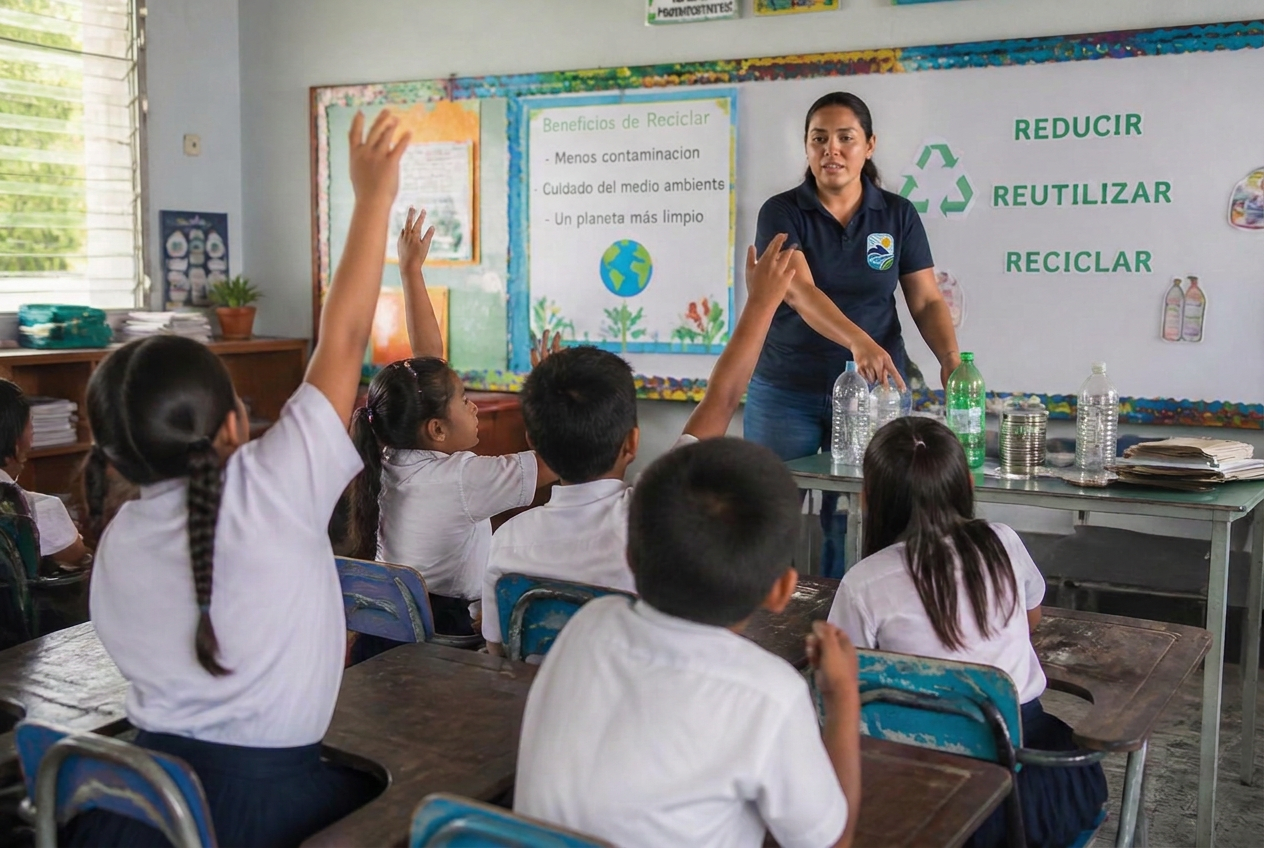
CLEAN El Salvador is designed to introduce simple, practical ideas at an age when children are naturally curious and receptive to learning. We want them to understand that their choices matter and that environmental responsibility is not something reserved for governments, organizations or adults. It is something everyone can participate in.
Children also have the ability to influence the people around them. What they learn at school often follows them home. They talk to their parents, siblings, classmates and friends. They ask questions, point out behaviour and reinforce new ideas in ways that can reach beyond the classroom.
For that reason, we see youth education as more than a school-based activity. We see it as a practical starting point for wider community change.
We are building habits, not just organizing events.
Cleanup events are valuable. They improve communities, create visibility, bring people together and allow participants to see an immediate result. But a cleanup on its own does not necessarily change the behaviour that created the problem.
CLEAN El Salvador is built around connecting action with understanding. Before a child picks up litter, we want them to understand why that litter matters. Before they sort recyclable materials, we want them to understand why different types of waste are handled differently. Before they take part in a beach or community cleanup, we want them to understand how their own everyday decisions contribute to the condition of those spaces.
The physical activity reinforces the education, while the education gives the activity greater meaning.
Over time, our objective is to create repeated opportunities for children to learn, participate and lead. The more consistently those behaviours are reinforced, the more likely they are to become part of everyday life.
Caring for the environment is also about caring for where you live.
Environmental responsibility is closely connected to a sense of pride and ownership.
When people feel connected to a place, they are more likely to respect it, protect it and take responsibility for its condition. For children, that connection can begin with the spaces they know best: their classroom, schoolyard, neighbourhood, local park, beach or community.
CLEAN El Salvador wants to help young people see these places differently. A public space should not feel like somebody else's responsibility. It should feel like part of the community they belong to.
That sense of connection can become especially meaningful in a country like El Salvador, where natural beauty, public spaces, tourism and community identity are all increasingly important to the country's future.
We want children to grow up with pride in El Salvador and with an understanding that protecting that environment is part of what pride looks like in practice.
Our mission is to help children develop lifelong habits around waste, recycling, litter prevention, environmental responsibility and community care through education and hands-on participation.
Our vision is a generation of Salvadorans who grow up believing that caring for their country is a shared responsibility and who carry that belief into their homes, workplaces, communities and future families.
Knowledge, participation and example — connected from the start.
CLEAN El Salvador is built around a simple three-part approach that connects knowledge with practical experience. It runs in full on our program page; here is what it means in principle.
Education gives children the information they need to understand environmental issues in a way that relates directly to their lives.
Participation gives them the opportunity to take part in real activities that reinforce what they have learned.
Example encourages them to carry those behaviours into their homes, schools, friendships and communities.
The model is intentionally straightforward. Our goal is to make environmental responsibility understandable, practical and repeatable.
Five principles behind every activity.
Education should be practical.
Environmental education is most effective when children can connect what they are learning to the world around them. We want lessons to relate to the streets they walk on, the schools they attend, the beaches they visit, and the waste they see every day.
Participation matters.
Children are more likely to remember something when they experience it themselves. Practical activities help turn information into behaviour and give students a visible sense of accomplishment.
Positive reinforcement creates stronger engagement.
CLEAN El Salvador is designed to be encouraging and constructive. We want children to feel capable of contributing to a cleaner country rather than feeling overwhelmed by environmental problems.
Community participation strengthens the impact.
Schools can introduce the lesson, but families, businesses, municipalities, volunteers and community organizations all have a role in reinforcing it.
Consistency is essential.
One activity can create awareness. Repeated education and participation are what create habits. Our long-term goal is to build relationships with schools and communities that allow students to experience CLEAN El Salvador more than once as they grow.
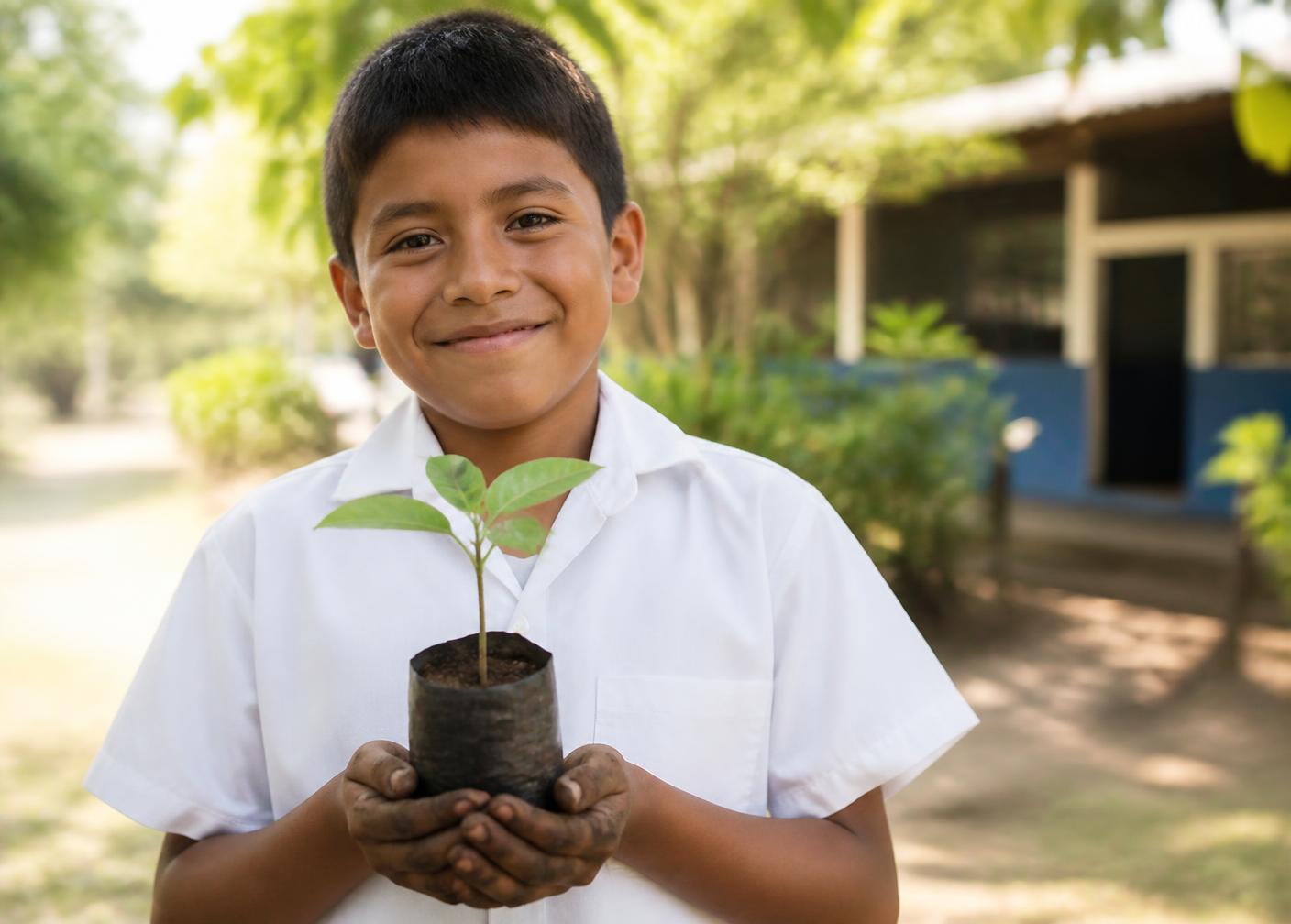
Small hands, long horizons.
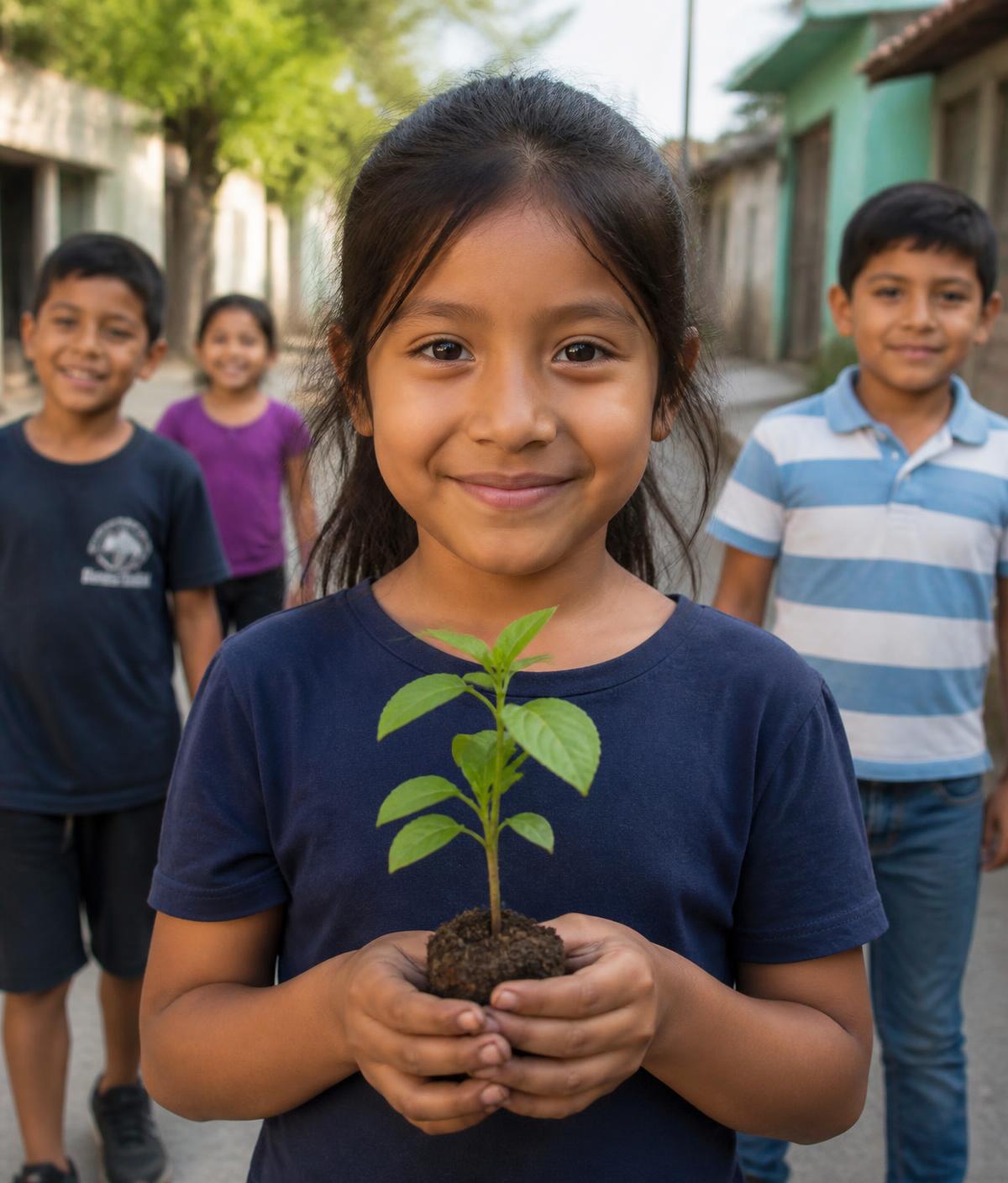
A seedling planted in a schoolyard, a bottle put in the right bin, a street that stays clean for a week longer than it used to — these are small things, and they are exactly the point.
Children who are trusted with something real tend to keep looking after it. That is the behaviour we are trying to make ordinary.
It begins with children, but it includes an entire community.
Schools provide the environment where education can begin. Teachers can reinforce lessons over time. Families can continue the conversation at home. Businesses can provide sponsorship, resources, volunteers and support. Municipalities and community organizations can help connect programming to local priorities and real environmental needs.
As those relationships grow, CLEAN El Salvador can become more than a series of school visits or cleanup activities. It can become a platform that connects young people, educators, families, companies and communities around a shared commitment to a cleaner country.
The long-term measure of success will not simply be how much waste is collected. It will be how many young people begin thinking differently about creating it in the first place.
CLEAN El Salvador is being built around a simple idea: if we help children understand the value of caring for the places around them, give them opportunities to act on that understanding, and encourage them to lead by example, we can begin creating habits that extend well beyond the classroom.
We are inviting schools, families, businesses, volunteers, municipalities and community organizations to be part of that effort.